As events at the World Economic Forum in Davos have played out, it’s been a powerful reminder that the world is still shifting at pace, and in ways that feel pretty unpredictable.
The continued focus on growth, productivity and the need to do more with less is clearly setting the tone for the year ahead. Given this rapid take-off to the start of 2026, it’s already signalling something important for leaders: capacity is going to be at a premium.
And by capacity, I don’t mean how many hours we’ve got available in the day. I mean the space to think, to absorb what’s happening, to weigh things up properly, to decide and to plan - without it all feeling rushed or reactive.
Many senior leaders I speak to are already saying that they’re busier than usual, just a few weeks into the year.
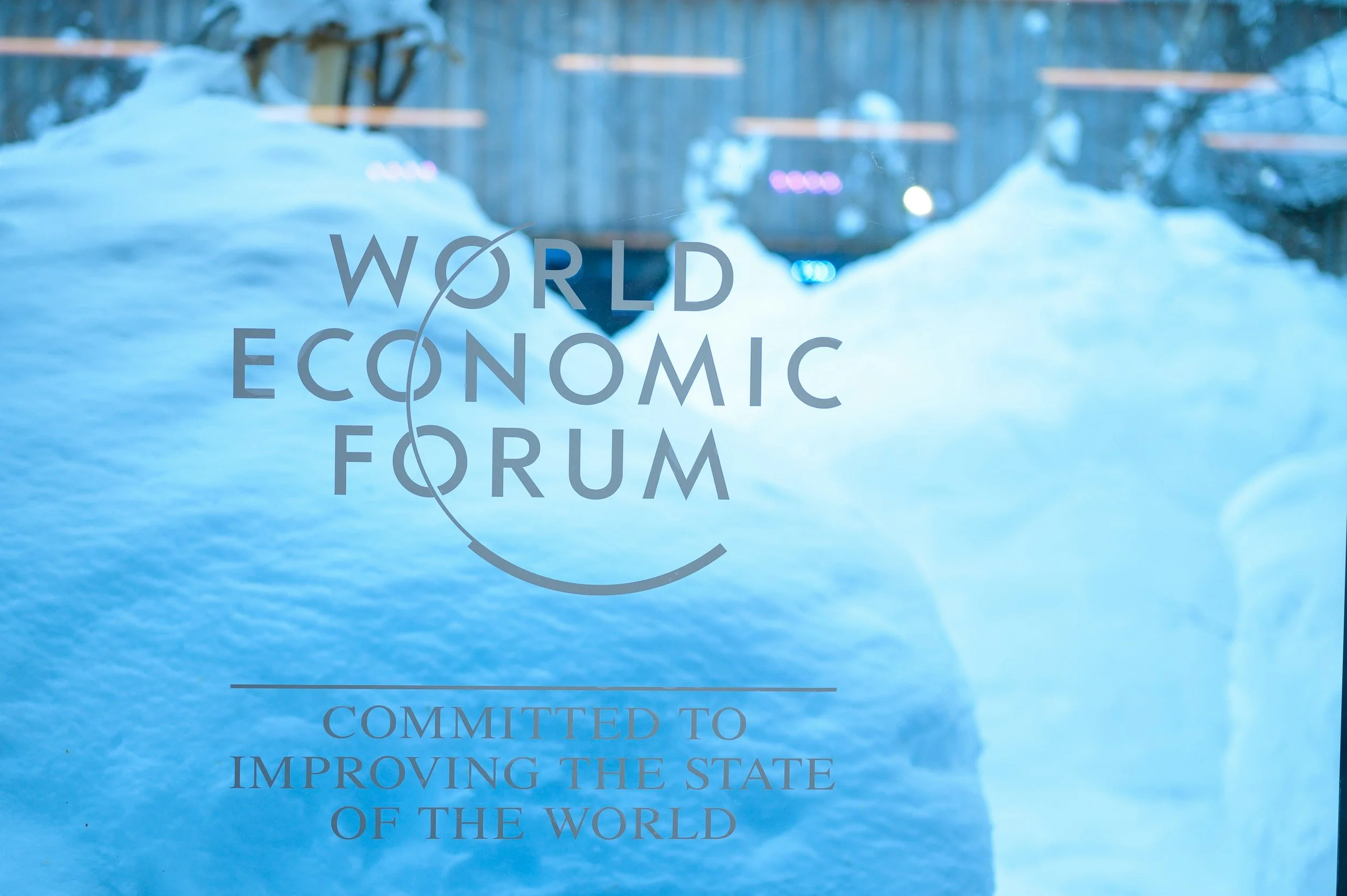
Image: Evangeline Shaw, unsplash
What does a changing world order really mean for leaders?
In his speech at Davos, Mark Carney described what he sees as a ‘rupture’ in the world order we’re all used to. That language feels very strong but here’s just a few ways I think this plays out for leaders - and not just in geopolitics and international terms:
decisions being made with less certainty than we’d like
pressure being absorbed without anyone realising that’s actually happening
an expectation to be confident while you’re dealing with a heap of unanswered questions
At a national and international perspective, Carney talked about the importance of connections, co-operation and a clarity of identity. But, when we consider this through a leadership lens, it sparks a few questions…
- What happens when you have a strong network - but no real time or headspace to draw on it properly?
- What does working co-operatively look like when everyone is stretched and moving quickly?
- How clear do you need to be about who you are and what you stand for, when the world landscape keeps shifting? And how do you do that?
These might sound like abstract ideas (especially as they’ve been raised by the Canadian PM) but these are things that leaders are dealing with day after day - even if they don’t realise it.
If you notice that your thinking time feels more limited, decisions feel harder, or there’s less room to step back and reflect than there used to be – it’s not just you.
Before the year has even properly started, many leaders are already having to get their heads around what this ‘new world order’ might mean for the organisations and teams they lead, as well as for themselves.
It means that for some, they’re already working close to capacity. And that’s not because they’re doing anything wrong, but because the system we’re operating in is demanding more, faster and with less margin for error.
What we really don’t need is a year that begins with a sense that there’s already no spare room in the system. No space to work out what really matters or what the next best move should be.
So, if your year already feels like it’s running a little too close to the edge for you or your team or you’d value the space to think clearly when things feel this complicated, I’d love to chat