
I recently led a session for a client on the subject of ‘Leading successful change across generations’. When we first advertised it, all the tickets went in just three days, which felt like a big indicator to me that there are some very real challenges for people leading others - whether that’s on the frontline, in middle management or at a senior level.
I’m guessing that if you have responsibility for people, change or performance, this might sound familiar.
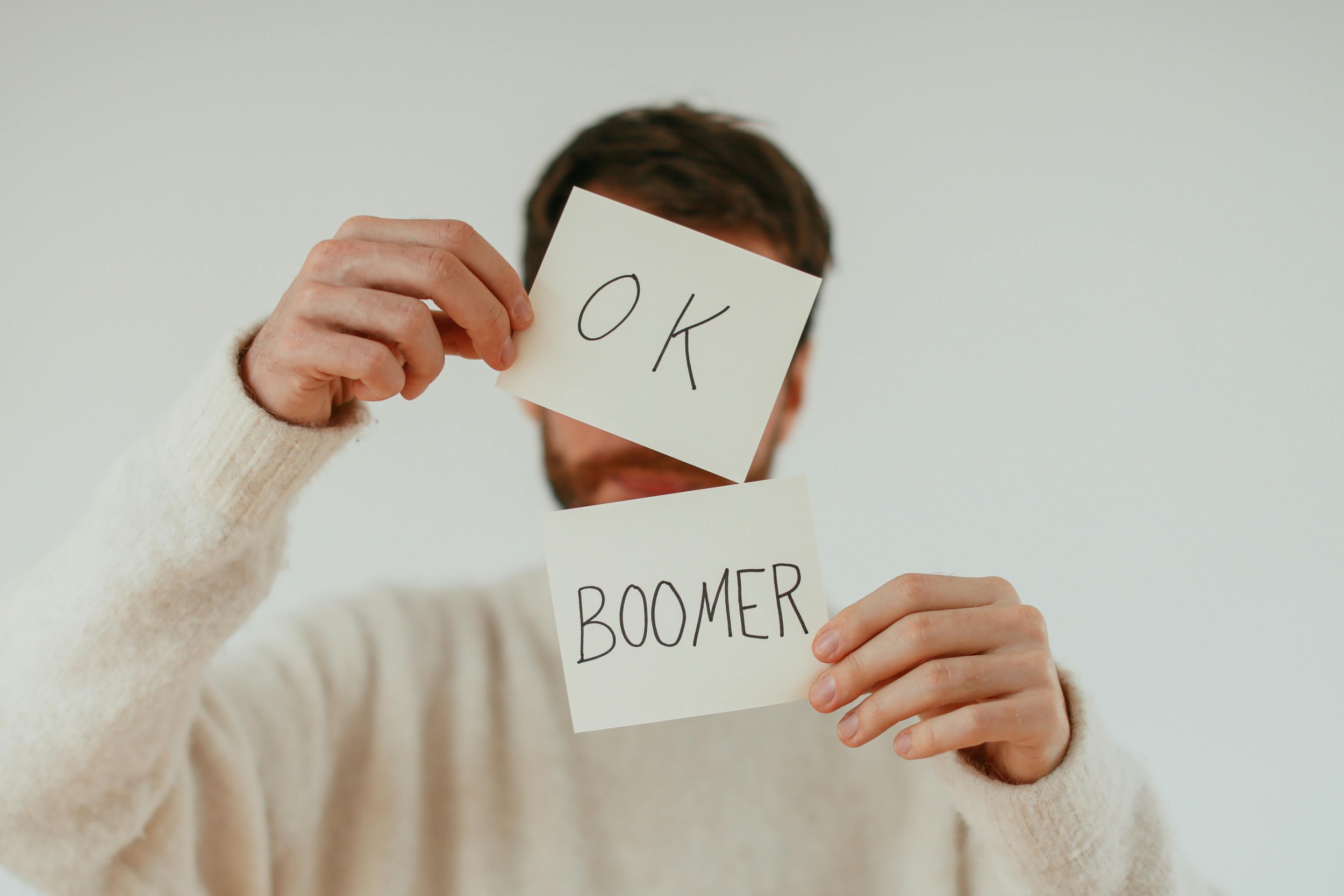
Image: Cup of Couple, pexels
Although the session was designed with leaders in small to medium organisations in mind, the themes that we covered can apply across the board. They show up wherever people are trying to make change happen and want to take others with them, rather than alienating them in the process.
So what does it actually look like when change doesn’t land well? There are a few tell-tale signs which can include…
Conversations that don’t quite land how anyone expected…
You get a reaction you didn’t anticipate - or no reaction at all…
Feeling like it’s a change that made sense when you worked through it yourself… but somewhere along the line, it managed to turn into something that triggered frustration, silence, or pushback…
None of these are useful if you want things to stay on track in your organisation. Plus, when any of these things happen, we naturally try to make sense of what’s going on. And without meaning to, we often look for explanations that feel sensible and reassuring. One of those that I hear sometimes is: “It’s a generational thing.”
There is some truth to this. Different generations do bring different expectations, experiences, and ways of working into the workplace. But in my experience, generational differences rarely cause problems on their own. When things really start to wobble, it’s usually coming from somewhere else.
The biggest challenges I see in times like this aren’t caused by generations or age - they’re caused by the assumptions we make. And that can happen when we’re busy, under pressure, or when change needs to work quickly.
As a result, I often see things like:
Silence being interpreted as agreement
Questions being labelled as resistance
Different communication styles being mistaken for poor attitude
Frustration being attributed to ‘how people are’, rather than what’s happening around them
None of this happens because people don’t care or aren’t capable. Instead, it’s because pressure leaves us with less opportunity to be curious - and when curiosity goes, assumptions tend to fill the gap. Change has a way of amplifying this.
When things feel uncertain, people often fall back on their past experiences of what’s worked (or failed), their relationship with authority, their level of trust in leadership, and their confidence in their own skills. Those experiences vary - sometimes significantly - not simply because of age, but because of what people have lived through at work.
That’s why the same message, delivered with the same intent, can land very differently across a team, which matters, because without noticing that difference, it’s easy to misread what’s actually going on - and respond in ways that unintentionally make things harder. It doesn’t mean the message was wrong or that people are being difficult. More often, it means assumptions have crept in and are getting in the way of us really understanding what’s going on.
One of the most useful things to notice during times of change isn’t what others are doing, but what’s happening in us. One way to do this is to replace questions we might be asking ourselves, such as:
“What’s wrong with this generation? Why aren’t they getting this?”
With this instead:
“I’m under pressure - what assumptions could I be making right now?”
Pausing like this doesn’t solve the problem, but it can create the opportunity to think about what might be going on for others around us, become more aware of what’s happening for us and, as a result, we can have a different quality of conversation. Conversations feel less combative, people feel more heard, and progress feels more possible - even when the change itself is still hard.
If generational tensions or change conversations are feeling harder than they need to be in your organisation or if you’d like to explore what a workshop might look like for your team, get in touch.